Wardiman S.Pt
Feed Formulator - PT. Mensana Aneka Satwa
Efficiency has increasingly become a key topic across various sectors of society, including the poultry farming industry. Achieving efficiency is essential to ensure optimal profitability in poultry production. In this context, efficiency refers to the ability to achieve the highest level of productivity by utilizing available resources optimally—both in terms of inputs such as feed and labor, and outputs such as meat and egg production
Currently, feed has become the primary focus for efficiency improvements, as it represents the largest cost component in poultry production. Feed nutrition plays a crucial role in determining poultry productivity. Therefore, it is essential to find the right balance between the nutritional requirements of the birds and the nutrients provided in the feed in order to maximize profitability
Precision feeding is the practice of adjusting and delivering feed according to the exact needs of the animals—neither excessive nor deficient. To minimize the gap between the nutrients contained in feed and those required by the animals, proper and accurate feed formulation is necessary
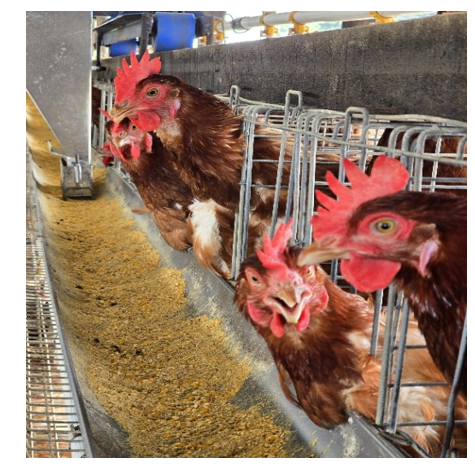
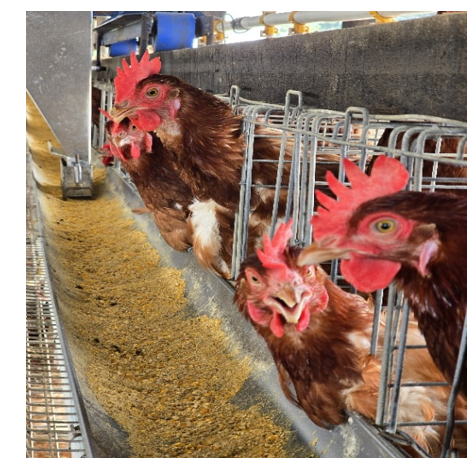
Picture 1: Illustration of a layer chicken house
Excess nutrients in feed will ultimately be wasted, increasing feed costs since they do not contribute to productive output with economic value. Moreover, excessive nutrient intake can burden the animal’s metabolism. For example, excess protein levels can trigger deamination processes that require additional energy and may induce metabolic stress, especially in hot climates due to increased body heat load.
Precision nutrition is the foundation of health, productivity, and profitability. According to Moss et al. (2021), implementing the concept of precision nutrition requires meeting three key requirements: understanding the characteristics of feed raw materials used, accurately determining the daily nutritional requirements of livestock, and maintaining strict and careful management in fulfilling these two aspects. Genetic factors, sex, age, and environmental conditions must all be taken into consideration when determining these requirements
Environmental factors, particularly weather and seasonal changes, can influence the requirements for implementing precision nutrition. Indonesia, located along the equator, has a tropical climate with two main seasons: the rainy season and the dry season. Daily temperatures can exceed 35°C, fluctuating between 29°C and 36°C, with humidity levels ranging from 70–80% (Hery, 2010). These seasonal transitions present challenges in maintaining precise nutrition, as different seasons can produce variations in both the quality and quantity of feed raw materials
Monitoring the quality of feed raw materials across different seasons is therefore essential to ensure that the feed provided meets the required nutritional standards. This involves a series of physical and chemical analytical tests to ensure real-time accuracy of nutrient content, allowing the production of nutritionally precise feed
Seasonal variability also affects corn, which is one of the most widely used raw materials in poultry feed. During the rainy season, corn tends to have higher moisture content and humidity, increasing the risk of mycotoxin contamination. The quality of corn significantly influences both the cost and nutritional value of the resulting feed
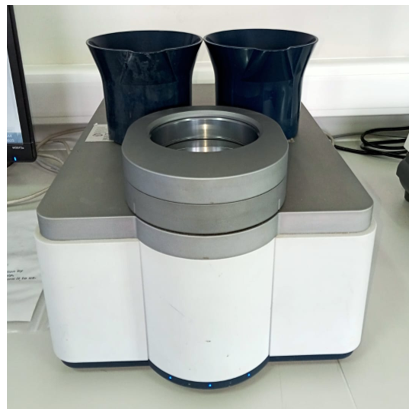
Today, the use of the NIRS (Near Infrared Spectroscopy) method has become widely recognized. Its primary function is to provide accurate analytical input for feed formulation by measuring the nutritional content of raw materials. NIRS enables real-time monitoring and analysis of various feed ingredients, including total dietary fiber and non-starch polysaccharides (NSP), along with overall compositional analysis. This method works by measuring how feed materials absorb and reflect infrared light, allowing for accurate predictions of their chemical composition. Many feed mills utilize NIRS instruments for in-process analysis and final product quality verification. This ensures precise feed formulation, enabling animals to receive the nutrients required for optimal growth and production, while also maintaining cost efficiency. Optimizing feed formulation helps reduce waste and lower the carbon footprint of feed production, contributing to greater sustainability
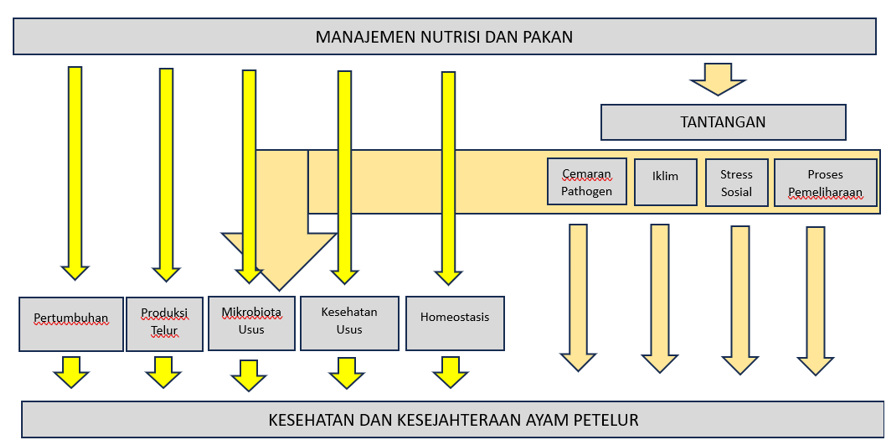
Picture 3: The Impact of Nutrition and Feed Management on Production (Bryden et al., 2021)
Seasonal transitions from the rainy season to the dry season often bring challenges, particularly heat stress. During the dry season, poultry are more susceptible to heat stress. High environmental temperatures, often accompanied by high humidity, are common during this period. Heat stress can significantly affect productivity. At temperatures above 33°C, high mortality rates and substantial production declines can occur. However, even at less extreme temperatures, heat stress is often overlooked as a cause of poor growth, reduced egg production, and diminished eggshell quality
Heat stress directly affects nutritional requirements and overall management practices needed to maintain productivity. Therefore, nutritional needs during heat stress conditions must be carefully managed, presenting a challenge in maintaining precision nutrition. Exposure to heat stress significantly alters nutrient requirements (Lay et al., 2011). Adjustments in energy requirements are necessary to cope with changes in environmental temperature (GfE, 1999). Additional dietary energy is required for body heat dissipation when ambient temperatures exceed 22°C (Bryden et al., 2021). Extra energy and micronutrients are also needed to meet the biological costs of immune and neuroendocrine responses to stressors. Failure to meet these nutritional needs can negatively impact poultry productivity (Husband & Bryden, 1996; Klasing, 2007)
Various strategies are available to mitigate heat stress (Lin et al., 2006), with nutrition being a key consideration. One of the main effects of heat stress is reduced feed intake. Therefore, it is critical to address the impact of decreased intake by adjusting dietary energy and protein density (Balnave & Brake, 2005). It is recommended that diets for heat-stressed poultry derive more energy from fat rather than protein, as protein digestion produces more metabolic heat than fat digestion. Additionally, specialized feed formulations may include a higher arginine-to-lysine ratio (Balnave & Brake, 2002)
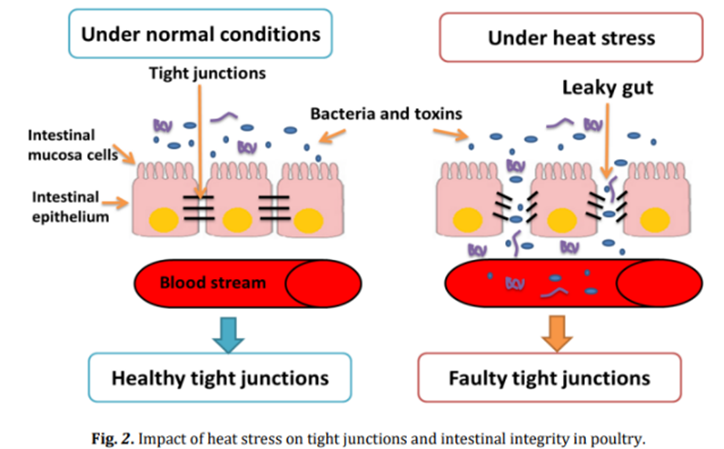
Heat stress also negatively impacts certain organs, particularly the intestines. The gut plays a vital role in nutrient transport, digestion, and absorption, yet it is highly sensitive to heat stress. Studies have shown that heat stress can alter intestinal permeability (Matter & Balda, 2007), increase the secretion of pro-inflammatory cytokines and neurotransmitters in both the gut and brain, and significantly affect intestinal physiology (Bailey et al., 2011). This can lead to tissue damage, inflammation, and changes in intestinal mucosal structure (Wallin et al., 2002). Controlling pathogenic microbiota in the gut is essential to prevent severe inflammation caused by microbial translocation into the bloodstream. Alternatives to antibiotic growth promoters (AGP) are therefore needed to maintain gut health, ensuring optimal nutrient absorption and meeting the nutritional needs of poultry
Poultry productivity is highly dependent on nutrient intake. Considering both cost efficiency and productivity, precision nutrition must be achieved. Understanding the nutritional characteristics of feed ingredients, accurately estimating daily nutrient requirements, and maintaining gut health are key factors in ensuring precise nutrition throughout seasonal changes
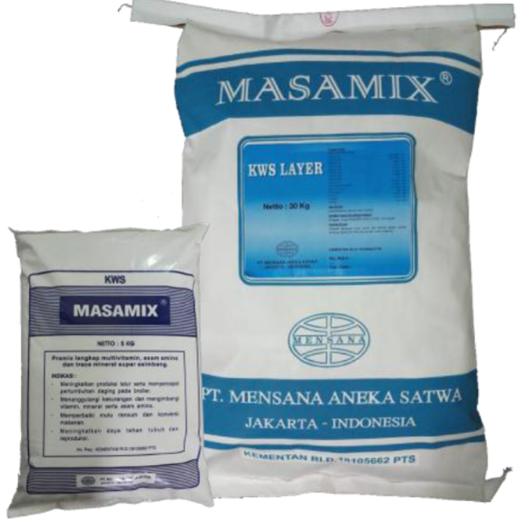
PT. Mensana Aneka Satwa remains committed to supporting farmers in achieving optimal productivity. Mensana operates a NIRS laboratory to assist farmers, especially those involved in self-mixing, by providing real-time analysis of raw materials to ensure precise feed formulation. Additionally, PT. Mensana Aneka Satwa offers Masamix KWS premix products containing multivitamins, amino acids, trace minerals, and various feed additives to support precision nutrition and optimal productivity
